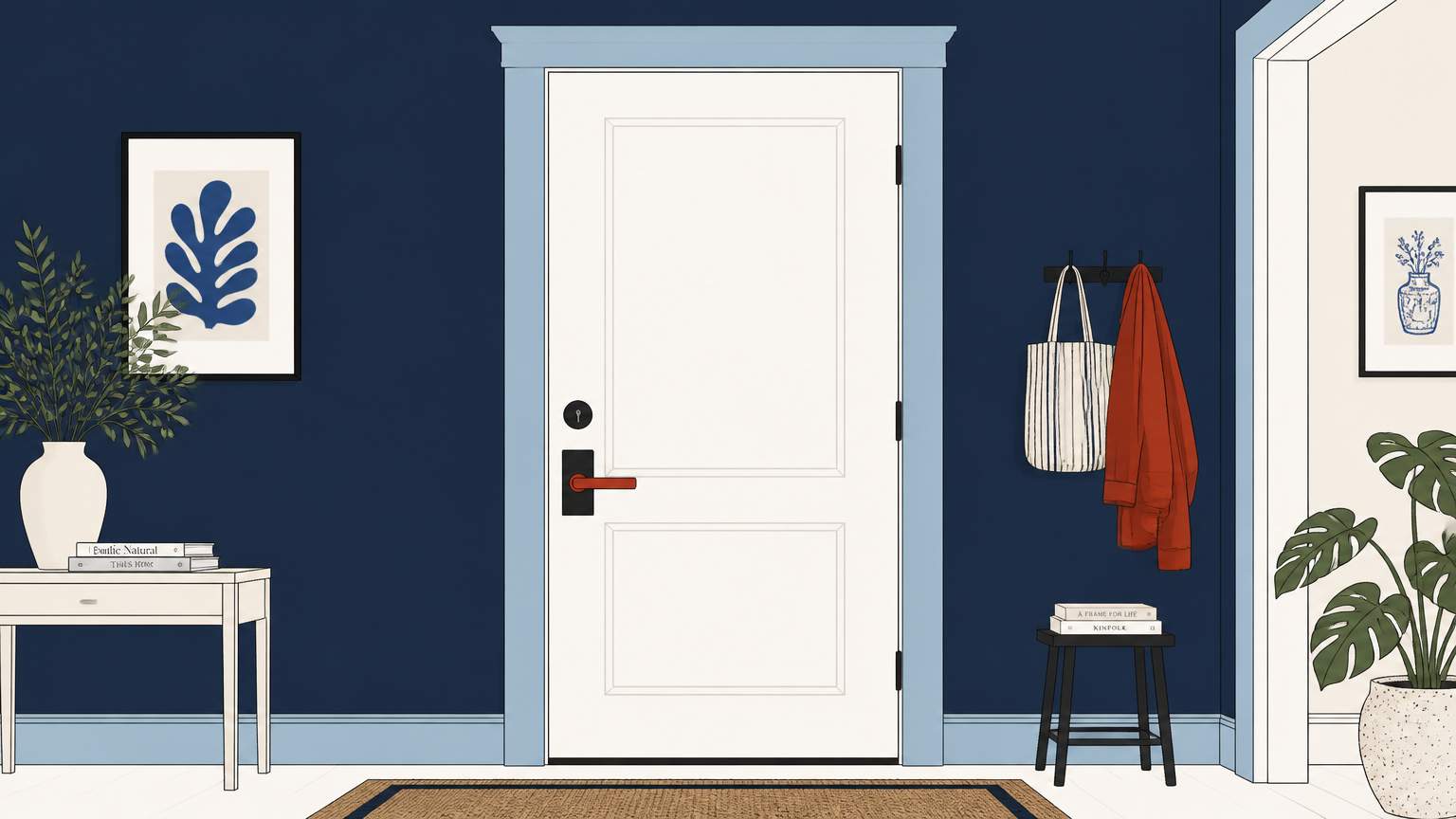
When a homeowner in Florida notices a key that's getting worn or a door that doesn't close smoothly anymore, the problem often lies within the door frame. Replacing an interior door lock is a fairly simple project that offers an upgrade in both security and aesthetics. All you need are a few basic tools, a new lockset that fits the door's backset, and a little time.
The approach is uniform, whether you're switching out a single-cylinder knob-deadbolt combo or installing a double-cylinder deadbolt for added protection. Given that Florida's humidity can loosen wood and cause door jambs to shift, a properly fitted lockset keeps the jamb tight and prevents doors from sticking. Below is a detailed step-by-step guide suitable for DIY enthusiasts.
The first step in choosing a lockset is identifying the correct backset, or the distance from the edge of the door to the center of the latch hole. Most interior doors are manufactured with a 2-inch backset, but some older homes have 1¾-inch versions. A quick measure with a tape will reveal the correct size. After determining the backset, you can select a stylish lockset that fits that measurement. Typically, a single-cylinder deadbolt paired with a decorative knob is common for a modern aesthetic, though many prefer the added safety of a double-cylinder deadbolt. Expect to spend around $30 to $120 on the lockset, with an additional $10 to $20 for a key cylinder.
When you're shopping, make sure the lock comes with a strike plate that can be relocated, as it sits against the door jamb and must align with the latch. Good locksets also include screws and a simple guide for the installation.
Start off by taking out the old lockset. Unfasten the knob or deadbolt from the door, and then pull the latch mechanism out of the jamb. Preserve the latch and the old strike plate; you'll use these to mark the placement for the new plate. Next, employ a drill to make a new hole for the latch if its existing one requires replacing. Most latch holes use a 1-inch drill bit, though, as always, consult the lockset instructions first.
Then, put the new latch in the jamb, ensuring it's in line with the current strike plate. Secure it, but don't over-tighten, as this can fracture the jamb. Attach the new lockset to the door, screwing either the knob or deadbolt in place. Don't forget to drill a keyhole on the inside if you're opting for a double-cylinder deadbolt. After securing the hardware, mount the new strike plate to the jamb, making sure it aligns flush against the door's edge. A level can help you check that the plate is balanced—uneven strike plates can cause the latch to jam.
Try out the lock after it's installed. Turn the key or knob to make sure the latch can slide in and out smoothly and that the door closes properly without resistance. If the door seems stuck, you can move the strike plate or add
a bit of replacement weatherstripping to the jamb to stretch it out a bit. In humid Florida, using a strip of rubber can help even more by keeping the door moving while blocking out excess moisture.
If the door remains stubbornly uncooperative, the next step might be to look at a more involved trim repair. Jobsyou could also be looking at a replacement of trim around windows or the installation of new baseboard that could help realign the door frame, though these tasks diverge from the lock replacement and might need a licensed contractor if they affect structure.
The costs of this project are noticeably lower than other projects like the installation of trim around windows or the need to replace a storm door. Most homeowners can do this work in thirty to forty-five minutes, resulting in savings of both time and cash. Remember, if you're also looking to "mount a curtain rod" or "replace bathroom faucet, or any other quick fix, there are plenty of tasks a handyman could easily take care of during the same visit. But if you discover any significant warping in the jamb or believe damage is hidden behind the door, it might be time to call in a pro for a detailed evaluation.
.svg)
.svg)

.svg)
