A hurricane or tornado can wreak havoc on an improperly sealed garage door. Wind can cause it to buckle, leading to damage within the house itself. Sealing the door's interior with weatherstripping and caulking can help keep the wind out and prevent damage.
It’s not overly complicated and won’t require specialized tools or skills. Properly sealing your door will cost less than $100 and should take only a few hours to complete. In Florida, this can also help lower your insurance premiums.
Weatherstripping functions to prevent wind from creating a pressure differential. In a sealed garage, the air cannot escape. Thus, when wind pushes against the door, it cannot create a vacuum that would otherwise pull the door inwards. This pressure differential is what often results in a garage door blowing out during high winds.
Wind will push against the exterior of the door. With a sealed interior, the pressure is resisted. This reduces the force acting against the door and its frame. So, a garage door that isn't rated for impact can still be protected from secondary damage like roof lift and wall failure.
You will need some basic tools and materials to complete this project: a caulk gun, a weatherstripping kit, a caulk smoothing tool, a utility knife, and a clean rag. If you have larger gaps, caulk or expanding foam can be used, but be cautious to not overdo it.
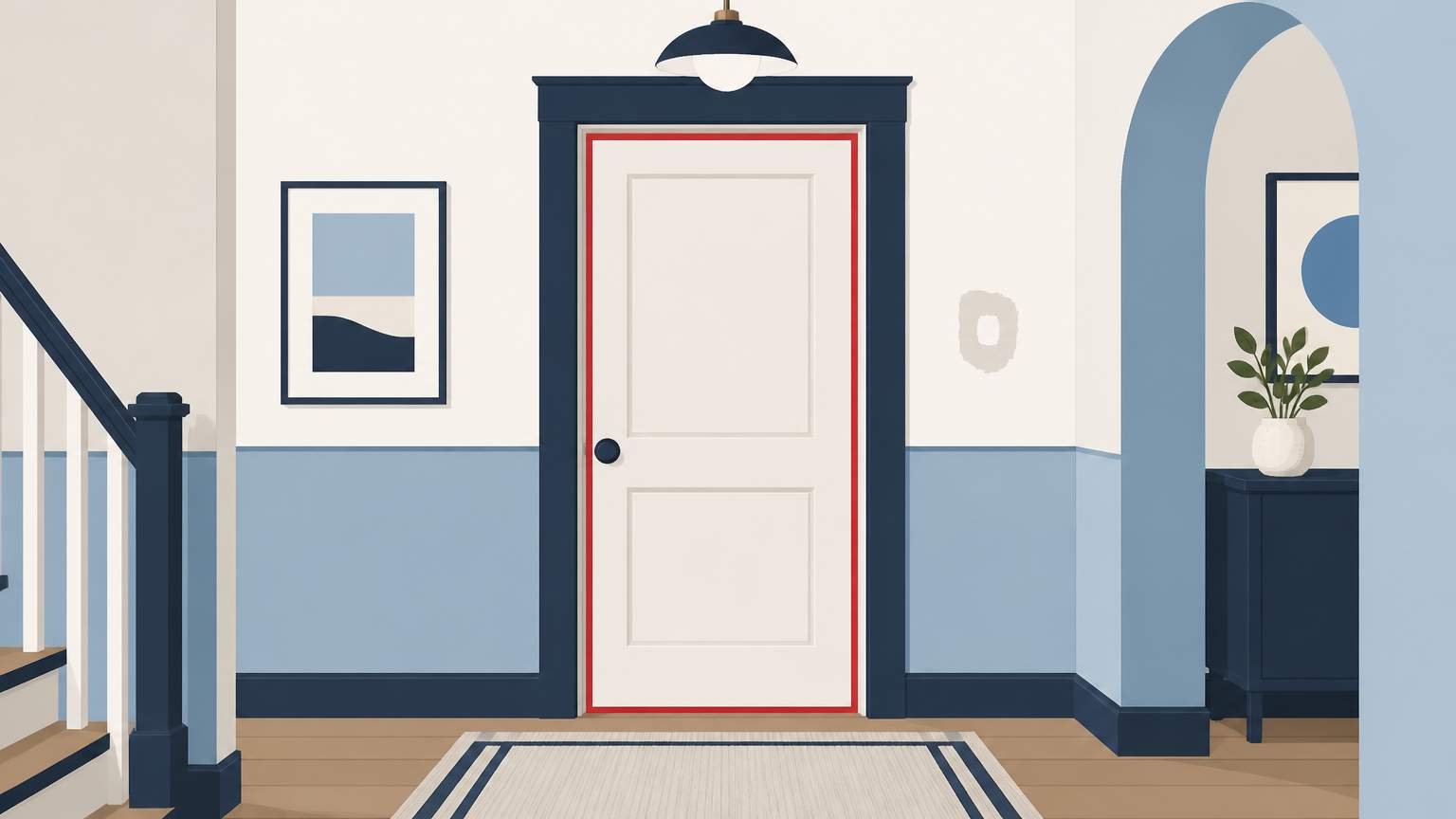
Start by cleaning the door jamb and adjacent trim. Remove any dust, old sealant, or loose paint. Apply the weatherstripping kit to the bottom and sides of the jamb, ensuring a snug fit. Then, fill any gaps with the caulk gun, ensuring to fill the jamb, the door frame, and any windows inside the garage. Smoothe the caulk for a neat finish, and let it cure for at least a day before exposing it to wind or rain.
If you have a storm door, you can also extend the sealing up to the top of the frame. For a door in a door, make sure to seal the inner door’s jamb as well. This will keep the entryway airtight.
Homeowners in Florida often focus their preparations on windows. However, the garage door is the largest opening in a house. Adding storm-window prep—such as impact-rated windows or a storm door—further enhances protection. The sealed interior keeps the pressure from building, while the upgraded windows or storm door block debris and wind.
These principles apply to other doors throughout the house. If you're replacing a door knob or installing a deadbolt lock, consider adding weatherstripping. If you're doing a replacement door installation or wood door installation, seal the jamb before hanging the door. Even a no install screen door can be enhanced with sealing.
If you find cracked panels, missing hinges, or a warped frame, it’s best to consult a licensed professional. The weatherstripping and caulking are not licensed work, but a certified impact-rated garage door or tornado-rated door that meets ICC 500 standards requires professional installation to meet Florida Building Code and local regulations.
.svg)
.svg)

.svg)
