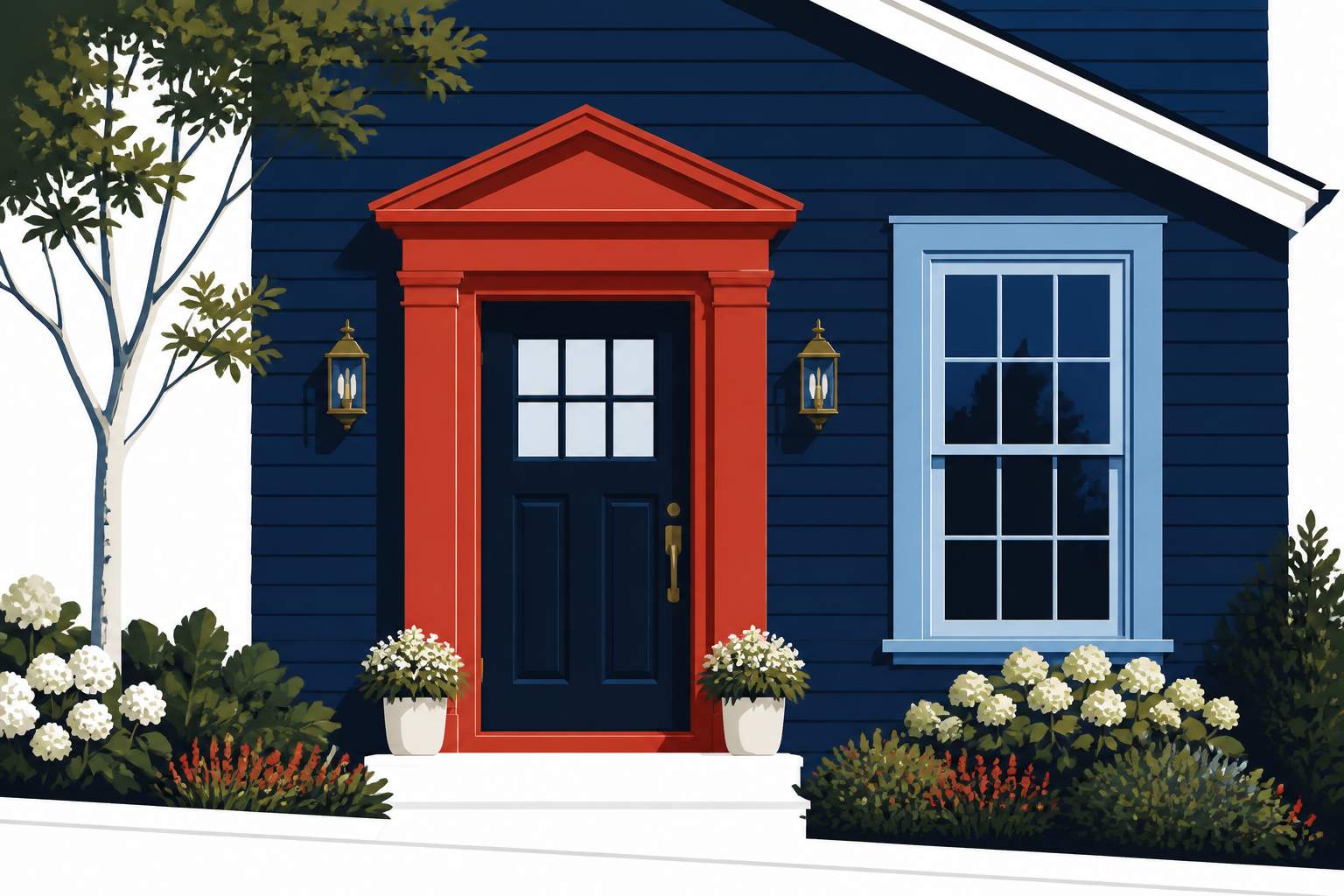
Floridians contend with heavy humidity and storms, which stress their doors, windows, and surrounding trim. A misplaced weatherstripping joint could lead to leaks, while loose screen panels leave the doorframe vulnerable. Many homeowners ponder whether they can manage a straightforward upgrade on their own or if they should call in an expert.
Generally speaking, homeowners can safely take on tasks like hanging or adjusting doors, installing or replacing trim and casing around them, applying exterior caulk and weatherstripping, repairing or replacing storm‑door and screen panels, swapping out hardware such as hinges and sliding‑door rollers, and even adding decorative elements like mullions or grids to existing glass. These are all projects that won't bring about significant structural changes or code violations, thus making them easy for a capable DIYer. Properly done, these fixes can last a good 10 to 15 years considering Florida's climate. The cost of weatherstripping materials typically runs between $0.50 to $1 for every foot, while vinyl mullions are about $2.38 for eight feet, which totals around $35 for a four-window grid.
Taking the DIY path gives homeowners full creative control and allows the option of using removable solutions. For instance, homeowners can cut vinyl or pine screen moulding to the exact size they want, spray-paint the pieces, and glue them together. Subsequently, the finished product can be attached to the glass with double-sided tape that allows for easy removal later.
Of course, the time commitment and toolkit accessibility are limitations. Lack of proper equipment like a caulk gun or a pneumatic nailer could lead to delays or uneven finishes. Florida also has specific codes regarding door dimensions, fire ratings, and so on, which homeowners might not know. When dealing with many openings that need adjustments, or if the existing trim is rotted and requires fastener removal, a licensed contractor's expertise in local codes can save time and additional costs.
Handyman fees in Florida hover around $45 to $80 per hour. Smaller project jobs, like replacing a storm door screen or a set of hinges, may take from one to three hours, costing from $45 to $240. Meanwhile, for more extensive work such as installing new trim around multiple windows, costs can fall between $100 to $500 per window based on complexity and finish. While the initial expense is greater, hiring a pro ensures a sealed finish, proper alignment, and code compliance.
Deciding between DIY and hiring a handyman ultimately depends on some specific realities. If the homeowner can accurately measure, possesses the right tools, and feels at ease with caulk and tape, the DIY option will save money. Conversely, for projects involving damaged framing, multiple openings, or strict code rules—or if the homeowner isn't confident in the installation procedure—hiring a specialist would be smarter. Homeowners should ensure that their work meets local codes and that any hardware, like inside mount cabinet door hinges or others from American door hardware, is suitable for Florida's weather.
In most cases, fixing up door or window trim will cost less than $150 for materials, and DIY is a fine route for simple projects like putting new screens in windows, fixing door trim, or adding decorative grids. If the work takes too long, entails damaged framing, or must adhere to strict code, a licensed handyman will be able to help. Ultimately, weighing the factors of cost, skill, and building codes will lead Florida homeowners to the most practical avenue for home improvement.
.svg)
.svg)

.svg)
