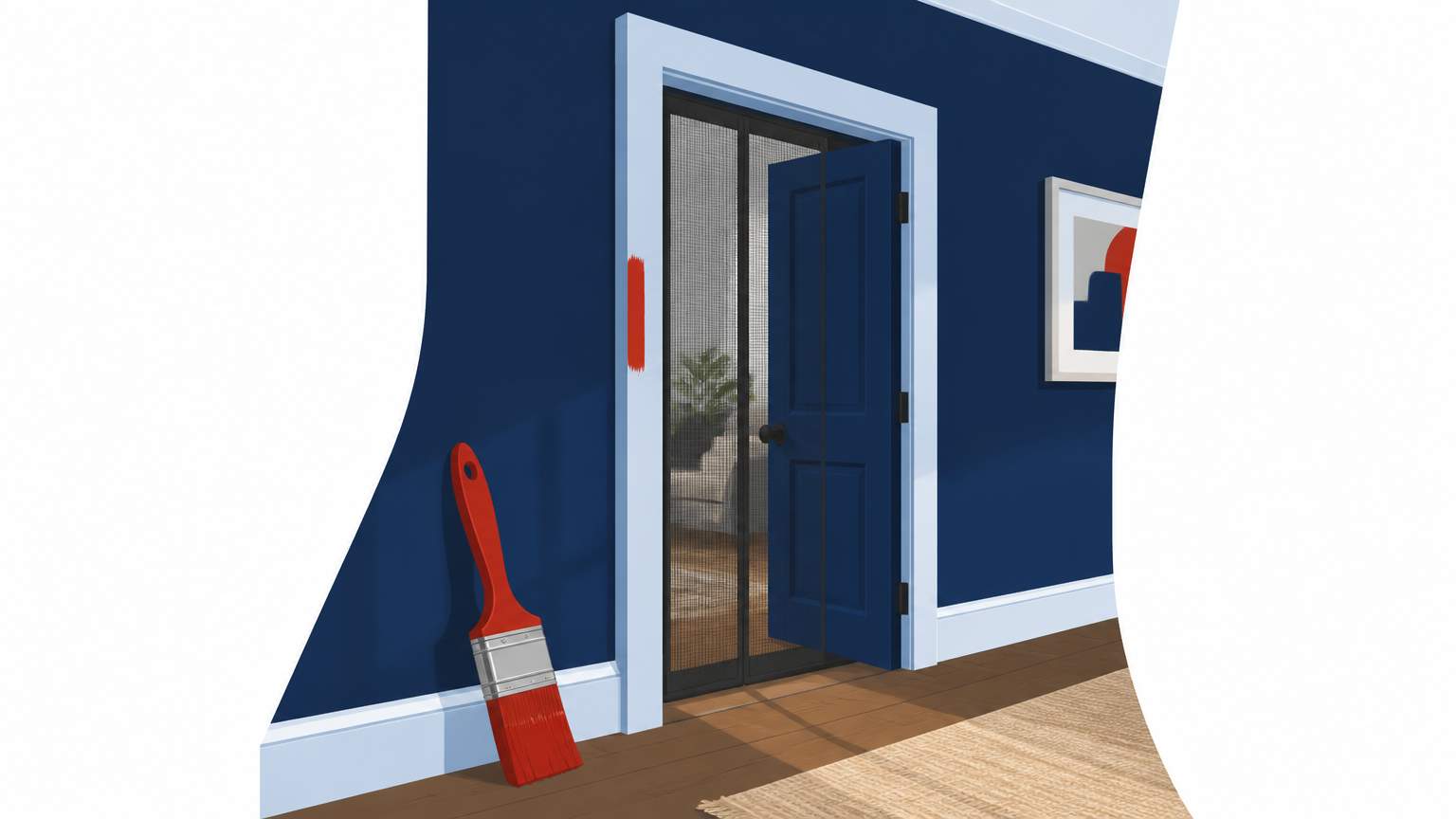
Installing a magnetic screen door is generally an easy task, but humid and salty air conditions in Florida can cause the adhesive strips to weaken. With this, there’s a risk of damage to your paint or the door frame when removing the screen. Special attention to the installation can help avoid this problem.
Testing by Consumer Reports has determined that the best magnetic screen doors are: Flux Phenom, Magzo, and Homearda. Each has excellent mesh quality, magnetic strength, and are easy to remove. But the adhesive strips are meant for a single use only. If you need to move the screen around, buy additional strips. There’s also the concern that the adhesive can lift paint or trim when removed, especially in humid conditions.
The adhesive strips are carefully made for a firm bond with wood, metal, or composite frames, but Florida's salty, humid air can weaken the backing. In some cases, when the strips are removed after a few months, it can leave an adhesive residue or lift a layer of paint. The effect is often more intense on older paint that has been exposed to moisture. If when removed you see peeling, a quick touch-up with interior paint should solve the issue. For renters, the appeal of the magnetic screen door is that there’s no drilling required for removal, but there’s always a risk of paint getting damaged.
To minimize risk, start by cleaning the frame with a mild detergent and letting it dry completely. Use a thin layer of primer if the paint is bare or has been recently applied. This helps the adhesive adhere more evenly. Follow the manufacturer's installation instructions. This usually involves using a combination of hook-and-loop tape and small wood tacks for extra support. The tacks should be placed just inside the trim, not on the painted area, to avoid damaging the paint. If your window trim is already attached, make sure the screen fits tightly. Loose fitting can cause the adhesive to pull strongly, which can damage the paint during removal.
Sealing the edges with weather-resistant caulk after the screen is up can also help. Replacing the caulking around windows before putting on the screen will help prevent moisture infiltration, which reduces the chance of weakening the adhesive. When relocating the screen, buy a new set of strips. Using old strips increases the chance of paint getting pulled off. Try to keep the door frame dry, especially during humid nights, by cleaning any condensation off the inside of the screen.
Magnetic screen door kits generally cost between $100 and $200. If you need replacement adhesive strips, that will run you an extra $10 to $20. A small paint touch-up kit can be obtained for under $30. A caulk refill will cost less than $10. All of this is considerably less than the possible expense of repainting a damaged trim, which can be $50 to $100, depending on area size and paint type.
For homeowners who want a permanent solution, a traditional storm door or a sliding screen door might be the better option without the need for adhesive strips. If you are renting or want a product that can be removed and reinstalled quickly, a magnetic screen door still makes a good choice, as long as the installation is done to protect paint and trims.
.svg)
.svg)

.svg)
