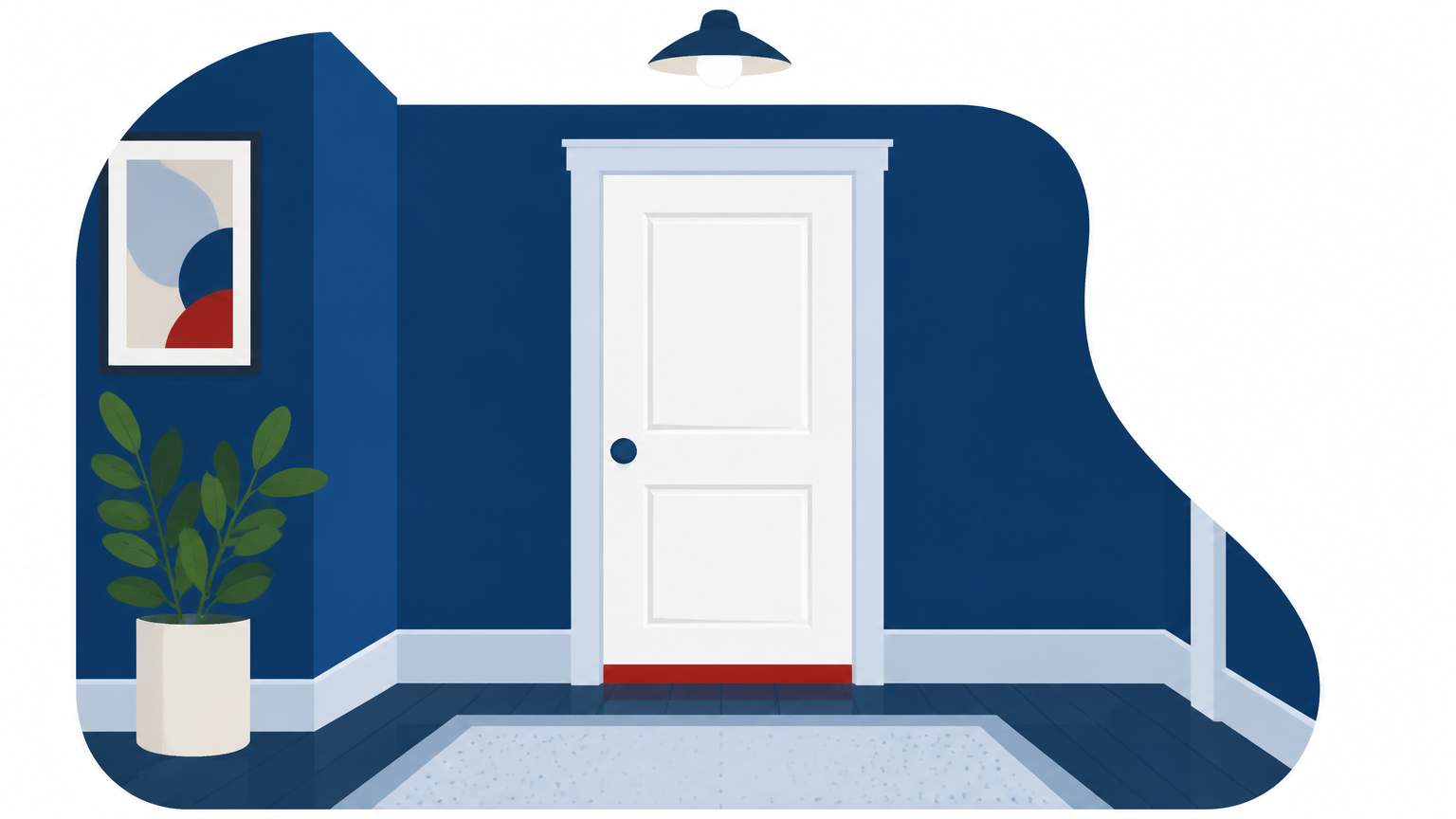
Many interior doors in Florida create unwanted drafts, especially during our hot, humid summers. If you’ve ever felt warm air seeping in through a door, you know what a difference a good seal can make. A door sweep is one quick way to fix this issue, keeping conditioned air in and reducing your energy bills. Fortunately, it is easy to install yourself, requiring only basic tools and less than twenty minutes of your time.
Selecting the right sweep depends on a few factors. Consider the door material, width of the gap, and the typical climate in your area. Available sweeps include options made of rubber, silicone, bristles, and metal. A rubber sweep works best on smooth surfaces, while a silicone model will fill uneven gaps more completely. A bristle sweep is ideal if the door is textured. Measure the gap between the door bottom and the threshold; most sweeps are sold in widths between 2 and 4 inches. A sweep that is narrower than the gap will leave a visible opening, while one that is wider may not fit against the threshold as intended. For Florida homes, rubber and silicone are often the best options, as they resist mold and mildew growth.
Begin by removing the bottom jamb or threshold if it is damaged or uneven. Use a screwdriver to loosen the screws that hold the jamb in place and lift it to expose the bottom edge of the door. Clean the area with a damp cloth to remove dust and dirt for a better seal. Measure the length of the bottom edge of the door, then cut the sweep with a utility knife or scissors. If it features a backing, be sure to trim that as well to fit the door’s width.
Next, slide the sweep into the jamb, aligning it with the threshold. Secure it with the included screws or adhesive, tightening them evenly to prevent any gaps. Finally, test the installation by closing the door and checking for any remaining gaps. If any exist, adjust the sweep or add a small piece of weather stripping to the threshold.
The procedure is a simple fix for a drafty door that most homeowners can handle. The secret is getting a snug fit on all your sweeps and using materials appropriate for Florida’s humidity. A well-done installation will reduce drafts and save energy. While the initial expense may be $5-20, long-term savings can be significant.
If you find the door itself to be warped with major structural issues, or if your attempts to fit the sweep fail after several tries, consider calling a licensed contractor. They can assess the door, recommend the best type of sweep, and ensure a proper installation that complies with local building codes.
.svg)
.svg)

.svg)
