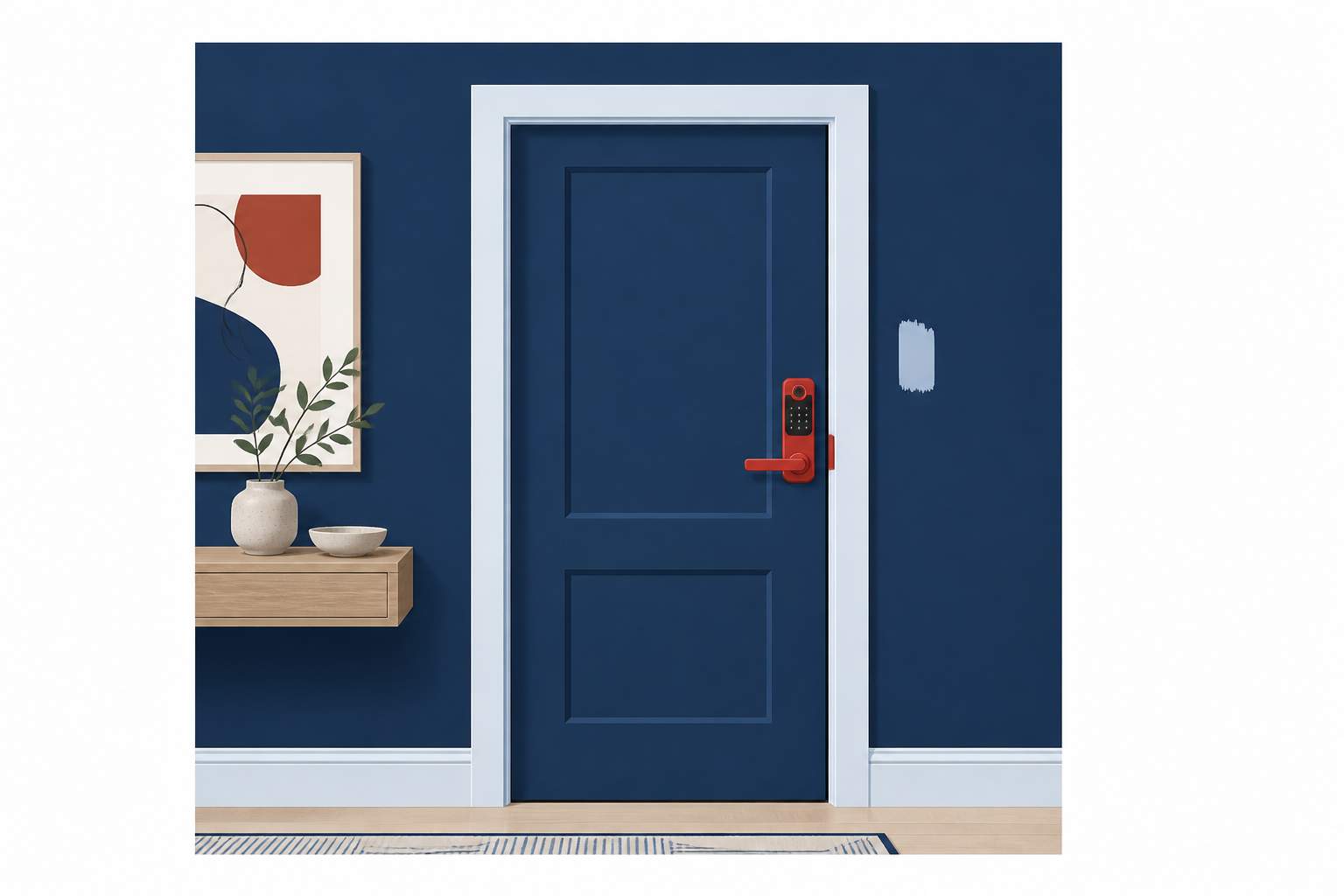
Installing a smart lock on an interior door allows homeowners to access their homes with just a smartphone or by using voice commands. This eliminates the need for a physical key. The installation process is relatively simple for most Florida homeowners, which includes removing the old deadbolt, installing the new latch, connecting the exterior keypad, and pairing the device with the app. It typically takes less than an hour and requires only a Phillips screwdriver, a drill if needed for adjustments, and a fresh set of batteries.
The crucial part is ensuring everything lines up correctly. If the latch doesn’t align with the existing strike plate, it can jam or create a gap that reduces security. As ABC7 Chicago highlights, the first step is verifying that the latch is fully retracted before installing the new one. According to Consumer Reports, checking the alignment of the strike plate after the latch installation is a must, and CNET mentions that most smart deadbolts fit doors between 1-3/8 inches and 2 inches thick.
Begin by measuring the thickness of your door and confirming it is within the specifications of the lock. If your door is slightly thicker or thinner, use the built-in adjustment feature on the latch to make the necessary modifications until the bolt fits flush against the strike plate. Once the latch is in position, tighten the screws on the strike plate and use a shim if there is a small gap. Properly aligning the latch prevents the lock from sticking and keeps the door handles intact.
After confirming the mechanical fit, test the lock. Close the door and turn the latch; the bolt should enter the strike plate smoothly. If the door feels tight or the latch catches, try adjusting the hinges or placing a thin shim behind the strike plate. Good alignment will also reduce wear on the door’s door molding repair and keep the interior trim free of gaps.
Monitoring battery health is essential. Most smart deadbolts have a battery life of 12 to 18 months; replacing the batteries with fresh alkaline ones is recommended. According to Consumer Reports, checking battery status via the app and replacing batteries before they die can help avoid lockouts. The firmware of the lock should be updated regularly; manufacturers often release updates that fix security vulnerabilities and improve functionality.
Security settings play a critical role too. Activate two-factor authentication on the lock’s companion app and change the default password immediately. Deactivate any unused wireless protocols, like Bluetooth, if the lock has both Wi-Fi and Bluetooth capabilities. Lastly, check that the mechanical key override functions properly before relying solely on the electronic system. This ensures a backup in the event of a battery issue or software glitch.
If alignment or battery issues persist, or if the door hinges seem loose, it may be time to contact a licensed professional. While most upgrades for interior doors are generally manageable by a handyman, a certified technician can ensure precise calibration and compliance with local security standards.
By following these recommendations, Florida homeowners can enjoy the benefits of a keyless entry system while maintaining the security and integrity of their doors.
.svg)
.svg)

.svg)
